
TL;DR:
- Trauma-informed self-care emphasizes connection, safety, and personalized routines over generic tips.
- Small, manageable steps like acknowledging feelings and seeking support are foundational for healing.
- Professional support and honest connection are crucial beyond checklist practices for true recovery.
Self-care advice is everywhere, but most of it misses the mark for people carrying the weight of trauma, anxiety, or a life in transition. You’ve probably seen the lists: drink more water, take a bath, go for a walk. Those things aren’t bad, but they barely scratch the surface of what your nervous system actually needs. People use over 77 strategies to manage their mental health, and the most meaningful ones are deeply personal. This guide offers a practical, trauma-informed checklist built for Kansas City adults who are doing the real work of healing, not just going through the motions.
Table of Contents
- What makes a trauma-informed self-care checklist?
- 7 essential checklist items for mental health self-care
- Digital tools and apps: Are they worth adding to your routine?
- Customizing your checklist: What works (and what doesn’t)
- Why checklists alone aren’t enough—and what actually helps
- Ready for next-level support? How local experts can help
- Frequently asked questions
Key Takeaways
| Point | Details |
|---|---|
| Start small | Pick just two or three trauma-informed self-care actions to begin with for the greatest impact. |
| Track your progress | Monitor sleep, mood, and movement weekly to gauge the effect of your routine. |
| Customize for you | Not all self-care strategies will fit—adapt your checklist to what helps calm your mind and body. |
| Use local supports | Connect with Kansas City resources and crisis lines when you need extra help. |
| Update regularly | Refine your checklist as your needs change and as you discover what truly helps. |
What makes a trauma-informed self-care checklist?
Most generic self-care lists treat everyone the same. A trauma-informed checklist is different. It acknowledges that your body, your history, and your nervous system are all part of the picture. It doesn’t ask you to perform wellness. It asks you to come home to yourself, gently and at your own pace.
A trauma-informed approach validates your lived experience. Safety comes first, always. And the strategies you use should connect to real support, not just idealized habits. That means considering the cultural and community context you actually live in, including what’s available here in Kansas City.
Here’s what a solid trauma-informed checklist includes:
- Acknowledgment of emotional and physical impact. Your body holds what your mind has been through. Recognizing that is step one.
- Connection to professional or peer support. Healing rarely happens in isolation. Local resources matter.
- Consistent, manageable routines. Not rigid schedules, but gentle anchors that bring predictability to your day.
- Symptom monitoring. Not obsessively, but with curiosity and self-compassion.
- Recognition of small wins. Recovery is slow, and progress deserves to be noticed.
Experts working with trauma survivors in Kansas City recommend that a sound post-trauma checklist should help you acknowledge impact, seek support, establish routines, monitor symptoms, and celebrate victories. These aren’t just nice ideas. They’re the scaffolding of real recovery.
Following a trauma-informed self-care workflow can help you move from good intentions to consistent, sustainable practice. Structure matters, especially when trauma has made the world feel unpredictable.
“Self-care is not a luxury. For trauma survivors, it is an act of reclamation.”
Pro Tip: Start with just two or three checklist items you can practice consistently this week. Adding too many at once often leads to burnout, which is the opposite of what your nervous system needs right now.
7 essential checklist items for mental health self-care
Now you know the principles. Here’s a checklist you can use or adapt for your own healing journey. These seven steps are grounded in research and shaped specifically for those navigating trauma, anxiety, and identity shifts in Kansas City.
Acknowledge your emotional and physical needs daily. Ask yourself each morning: How does my body feel? What emotion is most present right now? You don’t have to fix anything. Just notice. This small act of tuning in builds the self-awareness that recovery depends on.
Connect with professional or peer support. You don’t have to carry this alone. If you’re in crisis, call or text 988. For local support in Kansas City, the Regional Crisis Line is available at 888-279-8188. Reaching out is not weakness. It is the most courageous item on any checklist.
Establish small, repeatable routines. Think of routines as anchors, not chains. Regular mealtimes, a short evening walk, a wind-down ritual before bed: these signals tell your nervous system that life is predictable and safe. You don’t need a perfect schedule. You need a few consistent touchpoints.
Monitor weekly benchmarks. The APA recommends tracking two or three metrics weekly, such as sleep quality, mood on a scale of one to five, and physical activity. Tracking is not about judging yourself. It’s about noticing patterns so you can adjust with intention rather than reacting from survival mode.
Integrate at least one mind-body healing activity. Grounding exercises, gentle stretching, breathwork, or body scans are not extras. For trauma survivors, they are essential. These practices help your nervous system discharge stored stress and return to a regulated state. Even five minutes counts.
Practice self-compassion, not self-criticism, on hard days. When you miss a step or the week falls apart, your inner voice matters. Harsh self-talk activates the same threat response that trauma triggers. Speak to yourself the way you would speak to someone you love who is struggling.
Track and celebrate small victories. Did you get out of bed when it felt impossible? Did you make one phone call you’d been avoiding? These things matter enormously. A step-by-step trauma recovery guide can help you identify what progress actually looks like in your specific situation, not what it looks like for someone else. And when you follow evidence-based trauma recovery principles, even tiny wins compound over time.
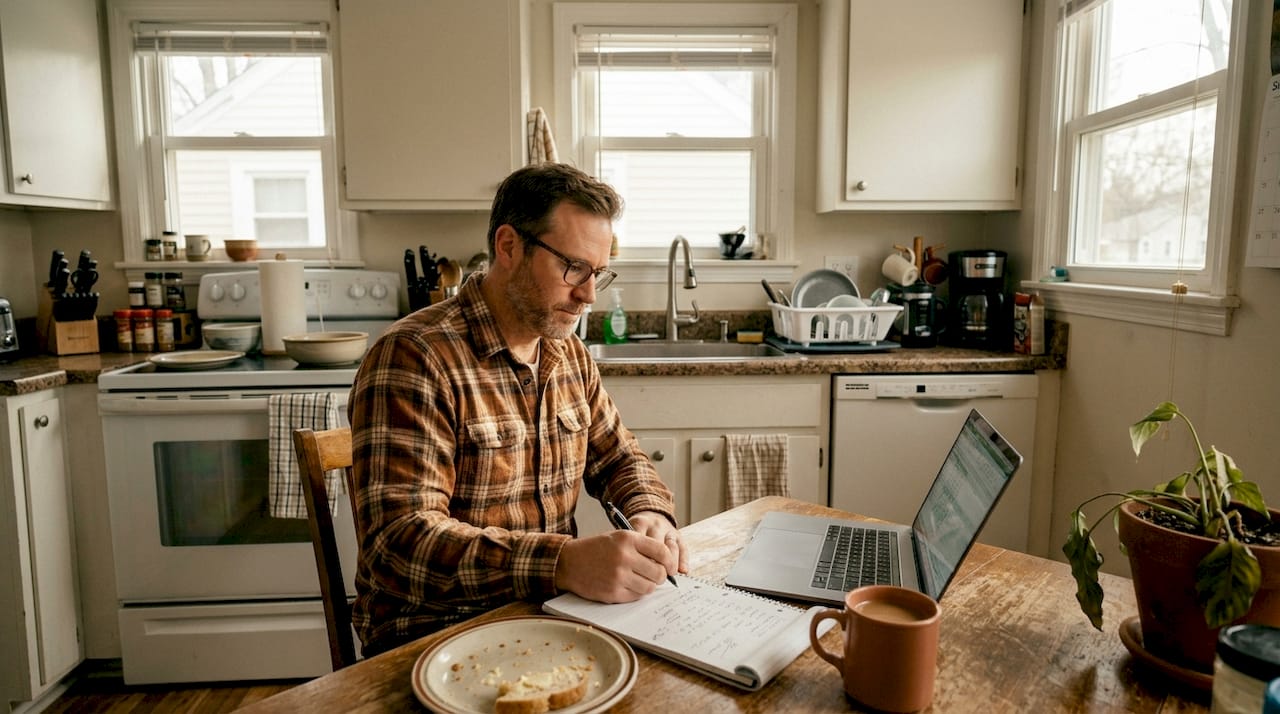
Pro Tip: Write your checklist on paper or in your phone’s notes app and revisit it every Sunday. Revise it as needed. What serves you now may shift as you heal.
Digital tools and apps: Are they worth adding to your routine?
After laying out the essentials, let’s examine whether digital supports can strengthen or distract from your self-care practice. The answer isn’t simple. Apps can be genuinely useful, but they work best as a supplement to human connection and professional care, never a replacement.
A meta-regression of 169 mental health app trials found that desensitization, stimulus control, and activity scheduling are the most effective app features for depression, while exposure-based elements work best for anxiety. This is useful information because it means not all apps are equal. Choosing one with research-backed features gives you a much better return on your time.
Here’s a comparison of common app features and the symptoms they support most:
| App feature | Best for depression | Best for anxiety | Useful for trauma |
|---|---|---|---|
| Mood tracking | Yes | Moderate | Yes |
| Activity scheduling | Yes (strong) | Moderate | Moderate |
| Grounding prompts | Moderate | Yes | Yes (strong) |
| Sleep tracking | Yes | Yes | Yes |
| Exposure exercises | Moderate | Yes (strong) | With clinical support |
| Desensitization tools | Yes (strong) | Moderate | With clinical support |
| Journaling prompts | Yes | Yes | Yes |
Key things to look for when choosing an app:
- Research backing. Does the app describe its clinical evidence? Look for apps developed with licensed clinicians or peer-reviewed studies.
- Privacy standards. Mental health data is sensitive. Review the app’s data-sharing policies before entering anything personal.
- Local compatibility. Some apps integrate crisis resources. Make sure yours includes US-based lines like 988 or your Kansas City regional number.
- Simplicity. If an app feels like another chore, it’s not helping your nervous system. Choose one that feels manageable and low-pressure.
One important note: if you are in crisis, close the app and call 988. Digital tools are for support and habit-building. They are not equipped to handle emergencies.
Good evening routines for better sleep can be supported by apps with sleep tracking features, but the most powerful sleep hygiene practices involve your environment, your body, and your sense of safety, not your screen.
Customizing your checklist: What works (and what doesn’t)
Not all strategies are right for everyone. Let’s explore how to personalize your checklist and recognize what truly serves you.
Research confirms that the public uses over 77 self-care strategies, including many that professionals rarely recommend. That’s not a flaw in the research. That’s proof that self-care is deeply personal. What regulates one person’s nervous system may dysregulate another’s.
Here’s a look at common self-care strategies and how they tend to vary in effectiveness:
| Strategy | Research support | Works well when | May not work when |
|---|---|---|---|
| Vigorous exercise | Strong for depression/anxiety | You have energy and safety | Trauma is body-based or exhausting |
| Creative hobbies | Moderate, highly personal | You feel expressive and safe | Perfectionism or shame is active |
| Mindfulness meditation | Strong broadly | You can tolerate stillness | Dissociation or flashbacks are present |
| Social connection | Strong | Connection feels safe | Relational trauma is active |
| Comfort eating | Low (clinical) but personally regulating | Occasional, conscious comfort | It becomes avoidance or shame-based |
| Nature time | Moderate to strong | Accessible and calming | Trauma associations with outdoors exist |
Signs your checklist may need adjustment:
- You feel bored or resentful doing the activity
- Stress increases rather than decreases after the practice
- You notice avoidance patterns forming around certain items
- You feel guilt instead of relief after completing something
These signals are not failures. They are information. Your nervous system is telling you something important.
“Self-care that fits your trauma recovery is less about what looks good and more about what actually calms your body and mind.”
Explore trauma healing tips that reflect this nuance, and consider reading about how to create a safe space for healing in your daily life and environment. Real healing honors the complexity of who you are, not who a checklist assumes you to be.
Why checklists alone aren’t enough—and what actually helps
Here is the honest truth that most self-care articles won’t say directly: a checklist can only take you so far. We believe in the power of structure and intentional practice. But we’ve also seen what happens when someone follows every item on a list and still feels stuck, still feels unseen, still feels like something essential is missing.
That missing piece is almost always connection. Real, witnessed, present connection.
Checklists are tools, not transformation. The power lives in how you use them: with flexibility, with curiosity, and with willingness to be honest about what’s actually working. When you tick boxes without intention, it becomes another form of performing wellness, which is exactly what trauma survivors often do to stay safe in a world that demands they appear okay.
The “Instagrammable” version of self-care, the aesthetically pleasing journals, the elaborate morning routines, the wellness retreats, holds very little value for people whose nervous systems are still in survival mode. What actually helps is far quieter. It’s the moment you pause and breathe before reacting. It’s the week you finally sleep through the night. It’s the conversation where someone really hears you without trying to fix you.
Here in Kansas City, there are real people and real resources that can offer that kind of witnessing. Crisis lines, group therapy, trauma-competent providers: these aren’t admissions of defeat. They are acts of profound self-leadership. Being seen and heard by another human being is, in itself, a form of self-care that no app can replicate.
Understanding how to start processing complex trauma is one of the most important steps you can take beyond the checklist. That process often requires support from someone trained to hold space for it safely.
“Healing is built in small, sometimes unglamorous acts of self-leadership and compassion.”
The checklist you create is a beginning. What you do with it, how gently you hold yourself inside it, is the real work.
Ready for next-level support? How local experts can help
A personalized checklist is a powerful foundation. But if you’ve been carrying trauma, anxiety, or a sense of self that feels lost, you deserve more than a list. You deserve to be truly witnessed.

At Simple Empathy KC, we work with deeply feeling individuals who are ready to do the deeper work. Our therapists specialize in EMDR, Internal Family Systems, and somatic therapy, approaches that help your nervous system heal at its own pace, not on a schedule that looks good on paper. We understand that healing isn’t linear, and we meet you exactly where you are. If you’re curious about what trauma-informed therapy actually looks like, explore our therapy services in Kansas City or start with our guide to creating a safe healing space in your life. Your next step doesn’t have to be a big one. It just has to be yours.
Frequently asked questions
What are the top three trauma-informed self-care actions to start with?
Begin by acknowledging your feelings, seeking support, and establishing one or two gentle daily routines. These three actions build the foundation that everything else rests on.
Which apps are best for tracking mental health as part of self-care?
Apps with activity scheduling or desensitization features are most effective for depression and anxiety, while grounding and journaling tools tend to support trauma recovery best when used alongside professional care.
How do I know if my self-care routine is working?
If you’re noticing improved sleep, mood stability, or moments of feeling safer in your body across the week, your routine is doing something right, even if the change feels small.
Is it normal to have setbacks even with a good self-care checklist?
Yes, completely. Recovery is non-linear, and setbacks are part of the process. Adjust your checklist with compassion rather than judgment, and celebrate what you did manage to do.
When should I seek professional help beyond self-care?
If your symptoms persist or worsen over several weeks, or if daily functioning remains significantly hard, reach out to a mental health provider or call 988. Self-care supports healing, but some wounds need a trained companion to help carry them.